
















Residential Fire Suppression

Water mist and sprinkler systems for basement, multi-storey and residential car parks, including bays with EV charging. Designed around your fire strategy, your insurer's requirements and the space you have for tanks and plant.
Water mist or sprinklers: independent advice, design and installation
As a commercial fire suppression specialist, we design and install both water mist and sprinkler systems, so we can recommend what actually suits your building, budget and fire strategy.
LPCB-certified water mist nozzles and in-house compliance expertise
Our commercial water mist systems use LPCB-certified nozzles. Our in-house compliance team prepares statements of equivalence and works directly with fire engineers, approved inspectors and fire authorities.
Full BIM coordination in Revit and AutoCAD
We coordinate fire suppression design with M&E and other services using BIM, cutting clashes on site and helping consultants and main contractors keep projects on programme.
UK water mist manufacturer with nationwide installation
We’re a SafeContractor-approved, British manufacturer of water mist fire suppression systems, supplying, installing and maintaining commercial systems across the UK through our accredited network.
Car park fires spread quickly. Modern cars carry far more plastic than the vehicles today's guidance was based on, and a fire in one car can reach the cars either side within minutes. Approved Document B doesn't usually require sprinklers in car parks, but insurers, fire engineers and the government's 2023 guidance on electric vehicles increasingly expect active suppression, particularly in enclosed and basement car parks.
SmartMist designs, installs and maintains high-pressure water mist and sprinkler systems for car parks beneath residential developments, multi-storey and public car parks, and private garages. Each car park presents unique challenges, so every system is tailored to the layout, the vehicle types and how the car park is used, including bays for electric vehicles.

Two sites with the same floor area can need very different systems. These are the factors we look at first.
Heat and smoke stay trapped, visibility drops fast, and fire service access is harder. These are the car parks where suppression adds most.
Closely parked cars let fire jump from one vehicle to the next. The 2017 King's Dock fire in Liverpool, in an unsprinklered multi-storey, destroyed over 1,000 vehicles.
Lithium-ion batteries can go into thermal runaway, and charging points add ignition sources. Suppression controls the fire around the vehicle; it doesn't stop a battery reacting.
Insurers often set the design standard. Some now ask for LPC Rules (TB229), which needs several times the water of a standard BS EN 12845 design.
Water demand decides tank size, and tank size decides how much basement you give up. This is often the deciding factor between mist and sprinklers.
Low ceilings, ducts, lighting and ventilation fans constrain pipe routes. Open levels can freeze, so pipework may need to be dry, pre-action or frost-protected.
Not usually under Approved Document B, but insurers, fire strategies and the 2023 EV guidance increasingly call for them, especially in enclosed and basement car parks.
Approved Document B mainly protects car parks with ventilation and compartmentation rather than sprinklers. A fire strategy can still call for suppression, for example to justify a design or to protect a residential building above.
Insurers may require sprinklers to LPC Rules or FM Global standards. Since 2022, LPC Rules treat car parks as a higher hazard, which significantly increases water demand and tank size.
The government's interim guidance on electric vehicles in covered car parks says sprinklers are effective at controlling fire development and should be considered.
We install both, so we recommend whichever meets your design standard with the least water and plant space.
High-pressure water mist uses up to 90% less water than traditional sprinklers, so tanks are smaller and you give up less basement. Fine droplets cool the fire and surrounding vehicles, limiting spread between cars. Ideal where plant space is tight, provided the system is tested for car park use.
Explore commercial water mist →Sprinklers to BS EN 12845 or LPC Rules are the established route for car parks and the one many insurers specify. Where your insurer or fire engineer requires sprinklers, we design and install them, including dry and pre-action systems for open or unheated levels.
Explore commercial sprinklers →Car park systems work best when they're designed alongside the structure, not added afterwards. Our mist systems are discreetly integrated into car parks, preserving space while protecting every bay. We agree head or nozzle layouts with your architect and M&E team, check the water supply and tank location against the design standard, and coordinate with ventilation, lighting and EV charging.
For existing car parks we survey each level, then install level by level or bay by bay, often overnight, so the car park stays open.
Flow tests and tank sizing against the agreed hazard class.
Pipe routes coordinated with ducts, fans, lighting and cable trays.
Dry, pre-action or protected pipework for open levels.
Links to the fire alarm and ventilation, with SmartVision flame detection where needed.
Which standard applies depends on the system, the building and, often, your insurer.
Automatic sprinkler design. The 2015 edition classes car parks as Ordinary Hazard 2. Check the current amendment.
Insurer sprinkler rules. Car parks treated as a higher hazard since 2022.
Design, installation and maintenance framework for water mist systems.
Fire safety in the design, management and use of buildings, including car parks.
Building Regulations fire safety guidance for England.
This page explains typical requirements. It isn't a fire strategy or design specification.
UK designed and built
Water mist and sprinkler systems
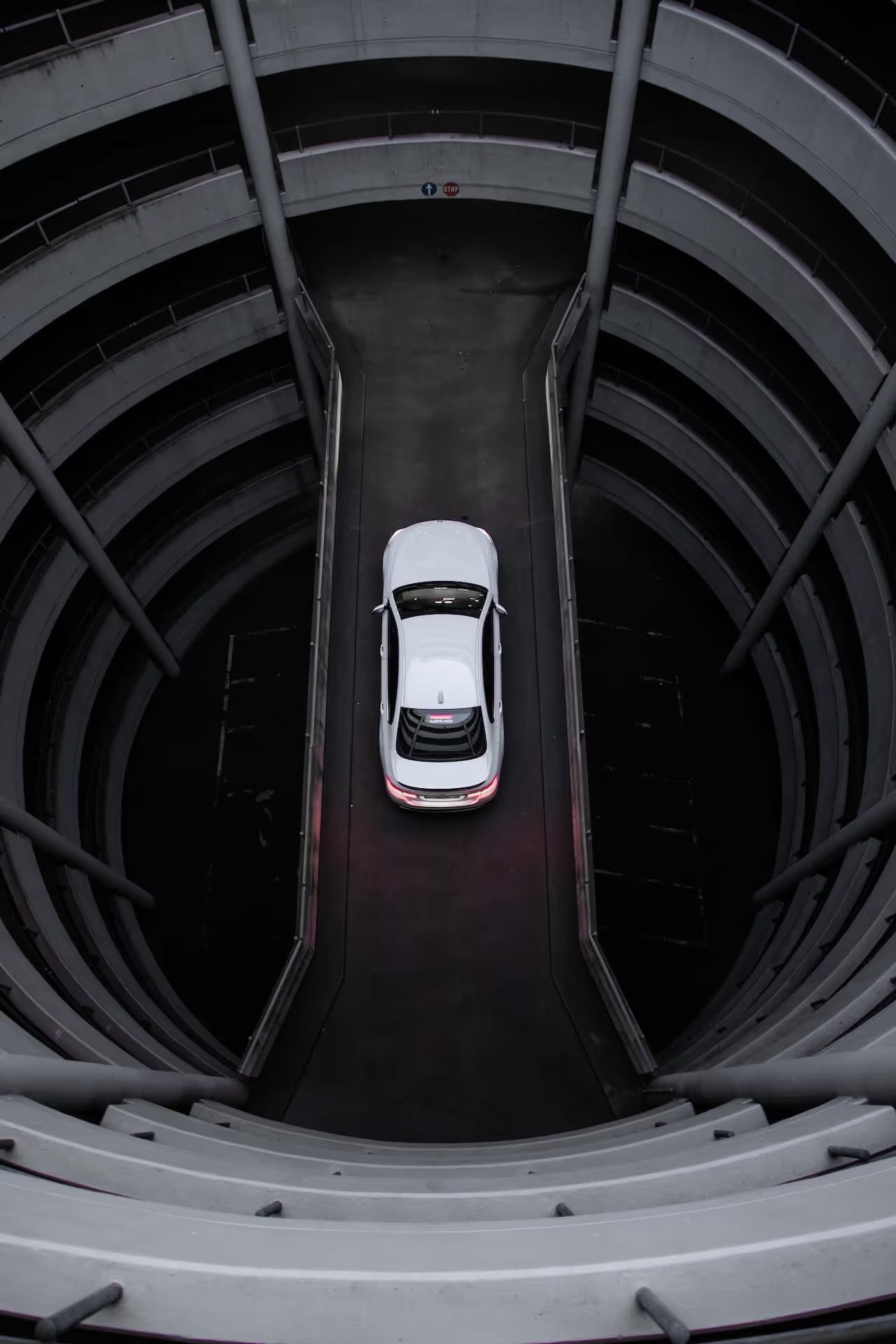
Car Park, Tower Hamlets, London
In 2023, a large private developer faced challenges adapting to the new fire safety regulations for underground car parks in the UK. This case study details how SmartMist assisted them in implementing an innovative fire suppression solution in their new apartment complex in Tower Hamlets, focusing on the installation of a high-pressure mist system in the complex's underground car park.
Send drawings and the fire strategy. We'll confirm the likely system and design standard.
Layouts, hydraulic calculations and documents for your insurer and Building Control.
Planned around your build programme or operating hours.
Testing, handover pack and a maintenance plan from day one.
Commercial systems need an annual service, plus the routine owner checks the design standard sets. We test pumps and valves, check heads and nozzles for damage and obstruction, and provide the service records insurers expect. We also maintain systems installed by other contractors.
Service & maintenance plans →Most projects are quoted after a drawing review.
Read our cost guide →Not usually under Approved Document B, which mainly protects car parks with ventilation and compartmentation. But insurers, fire strategies and the government's 2023 guidance on electric vehicles in covered car parks increasingly call for suppression, especially in enclosed and basement car parks.
Yes. Fine water mist cools the fire and the vehicles around it, which limits spread from car to car. No suppression system stops a lithium-ion battery reacting, but it controls the fire around the vehicle while the fire service responds. The system needs to be designed and tested for car park use.
It depends on the design standard and the floor area protected. Insurer rules such as LPC (TB229) need several times the water of a standard BS EN 12845 design. High-pressure water mist uses up to 90% less water than traditional sprinklers, so tanks are much smaller. We size the tank after a flow test and once the hazard class is agreed.
Yes. We survey each level first, then install level by level or bay by bay, often overnight, so the car park stays open throughout.
Open-sided and unheated levels can freeze, so we use dry, pre-action or frost-protected pipework there. Dry and pre-action pipes only fill with water when the system operates.
Yes. We offer a full service including design, installation, commissioning, scheduled maintenance, compliance checks, and emergency support.
Yes. We can inspect, upgrade, and maintain existing mist or sprinkler systems to bring them in line with current regulations and performance expectations.
Our commercial water mist systems are designed to BS EN 14972-1, and our commercial sprinkler systems to BS EN 12845.
For residential projects, our sprinklers are designed to BS 9251. Our SmartMist DOME™ residential water mist system has met the performance criteria of the BS EN 14972-17:2025 open room fire test (3.5 m room height) at the FPA, a UKAS-accredited fire test laboratory, and every installation is designed to BS EN 14972-1. We also work to project and insurer requirements.
We assess your fire strategy, occupancy type, building design, and water supply. Based on this, we may recommend high-pressure mist, low-pressure mist, wet or dry sprinkler systems, or a hybrid approach.
We recommend annual servicing in line with BS 9251, BS EN 14972-1 or BS EN 12845, depending on the system type. In high-risk or heavily used environments, more frequent checks may be required.
Yes. SmartMist offers both advanced water mist systems and traditional commercial sprinkler systems. We recommend the most suitable option based on your building’s fire strategy, layout, risk profile, and water supply.
Send what you have. These help us quote faster:
Or call 0330 113 5900

