

















Residential Fire Suppression

Water mist and sprinkler systems for primary schools, academies, colleges and universities. Designed around current DfE guidance and your insurer, and installed over the holidays so teaching isn't disrupted.

Water mist or sprinklers: independent advice, design and installation
As a commercial fire suppression specialist, we design and install both water mist and sprinkler systems, so we can recommend what actually suits your building, budget and fire strategy.
LPCB-certified water mist nozzles and in-house compliance expertise
Our commercial water mist systems use LPCB-certified nozzles. Our in-house compliance team prepares statements of equivalence and works directly with fire engineers, approved inspectors and fire authorities.
Full BIM coordination in Revit and AutoCAD
We coordinate fire suppression design with M&E and other services using BIM, cutting clashes on site and helping consultants and main contractors keep projects on programme.
UK water mist manufacturer with nationwide installation
We’re a SafeContractor-approved, British manufacturer of water mist fire suppression systems, supplying, installing and maintaining commercial systems across the UK through our accredited network.
A school fire puts pupils and staff at risk and can close a school for months. Even a small fire, like the electrical fire that prompted our work at an academy in Telford, can lead to pressure from the local authority to improve protection.
SmartMist provides design, installation, commissioning and servicing of accredited water mist suppression systems for schools and colleges, suitable for historic and modern buildings, from primary schools to universities. Mist systems control fires while using far less water than traditional sprinklers, reducing water damage and the time a building is out of use.
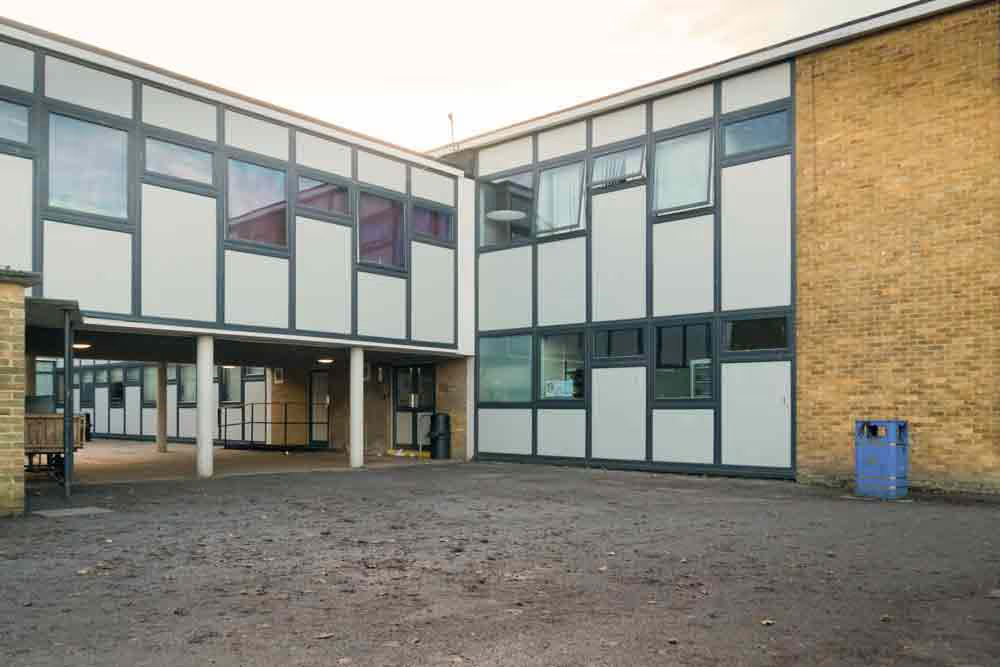
Two sites with the same floor area can need very different systems. These are the factors we look at first.
DfE guidance expects sprinklers in new school buildings of four or more storeys or 11m and above, and in all special schools.
Special schools and boarding accommodation need extra protection, as some pupils need help to evacuate.
Many school fires start out of hours, when nobody is there to raise the alarm early.
Science labs, food tech rooms, kitchens and DT workshops carry higher fire risks than classrooms.
Insurers and local authorities may require suppression, particularly after a fire or for new builds.
Installation has to fit around teaching, usually over the summer or other holidays.
Some do. Since January 2026 the DfE's guidance expects sprinklers in new school buildings of four or more storeys or 11m and above, in residential accommodation and in all special schools.
The DfE's current framework expects sprinklers in new school buildings of four or more storeys or 11m and above, buildings with residential accommodation, and all special schools and colleges.
Building Bulletin 100 (2007) made sprinklers the default for new schools. The DfE confirmed in January 2026 it is no longer required.
The Regulatory Reform (Fire Safety) Order 2005 still requires a fire risk assessment for every school, whatever its age or size.
We install both, so we recommend whichever meets your design standard with the least water and plant space.
High-pressure water mist uses far less water than traditional sprinklers, so classrooms, ICT suites and libraries suffer less water damage and reopen sooner. Smaller pipework suits historic buildings and retrofits, and mist is tested for classrooms under BS EN 14972-3.
Explore commercial water mist →Sprinklers to BS EN 12845 or LPC Rules are often specified for new school builds and by insurers. Where sprinklers are required, we design and install them, including sprinkler protection for boarding houses and residential blocks.
Explore commercial sprinklers →School systems are planned around the building and the school year. We review tender documents or survey the site, design the system, and agree a programme with the school and local authority.
Most installation happens over the holidays, with the system commissioned and staff trained before term starts.
Work planned for summer and other holidays.
Labs, kitchens and workshops prioritised.
Designed for the run time your fire strategy needs.
Testing, training and O&M manuals for staff.
Which standard applies depends on the system, the building and, often, your insurer.
Current DfE framework, including sprinkler expectations for new school buildings.
Former DfE fire safety design guidance for schools, no longer required.
Water mist fire test protocol for offices, school classrooms and hotels.
Automatic sprinkler design, installation and maintenance.
Requires a suitable fire risk assessment for every school.
This page explains typical requirements. It isn't a fire strategy or design specification.
UK designed and built
Water mist and sprinkler systems
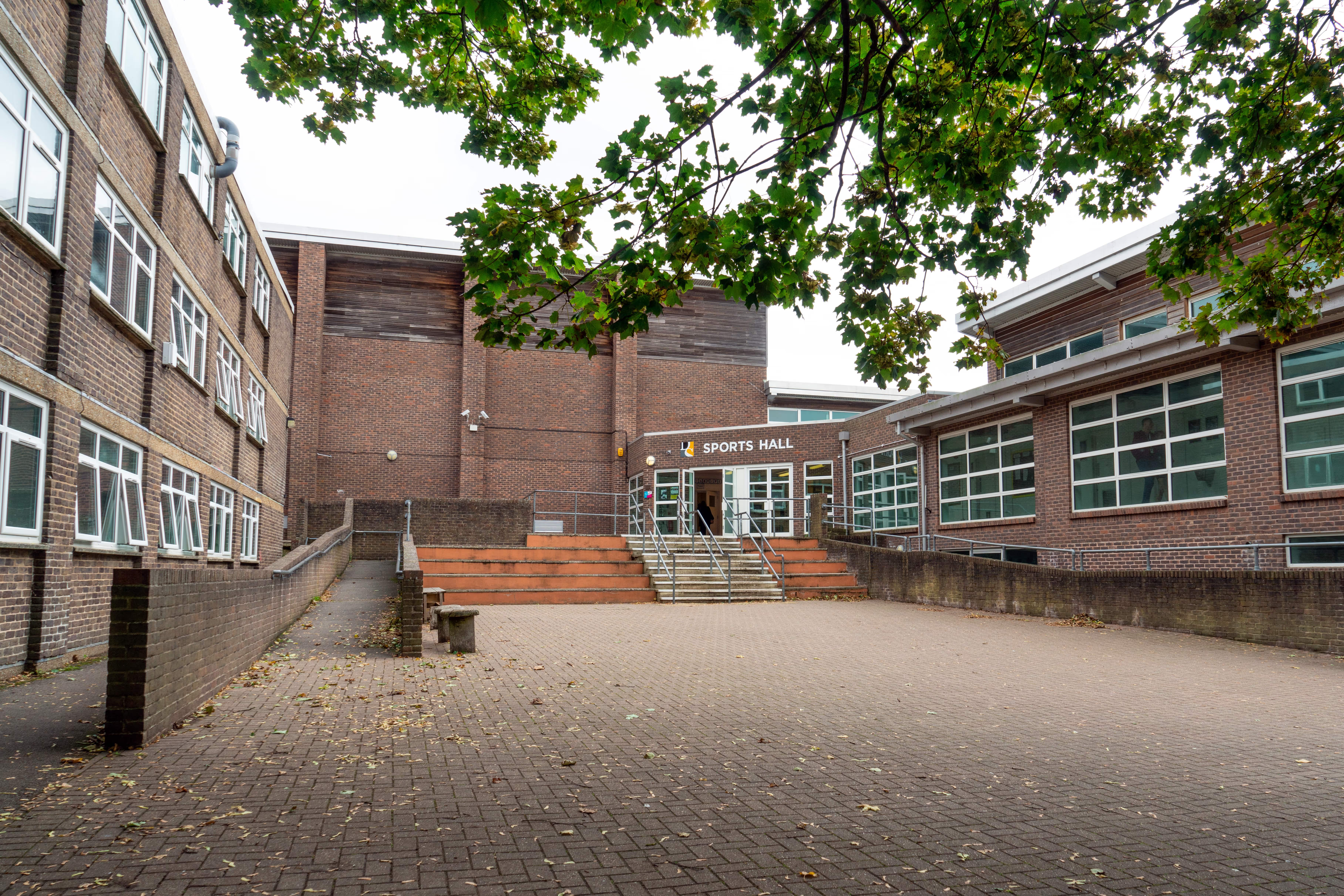
Academy School, Telford
In 2023, an academy in Telford faced significant pressure from the local education authority to enhance its fire protection measures following a small electrical fire in the music hall. This case study details how SmartMist provided a robust fire suppression solution, ensuring the safety of students and staff and preventing future incidents.
Send drawings and the fire strategy. We'll confirm the likely system and design standard.
Layouts, hydraulic calculations and documents for your insurer and Building Control.
Planned around your build programme or operating hours.
Testing, handover pack and a maintenance plan from day one.
Commercial systems need an annual service, plus the routine owner checks the design standard sets. We test pumps and valves, check heads and nozzles for damage and obstruction, and provide the service records insurers expect. We also maintain systems installed by other contractors.
Service & maintenance plans →Most projects are quoted after a drawing review.
Read our cost guide →Some do. Since January 2026 the DfE's guidance expects sprinklers in new school buildings of four or more storeys or 11m and above, buildings with residential accommodation, and all special schools and colleges. Insurers and local authorities may require them in other schools.
Yes. We usually install over the summer or other holidays, and commission the system and train staff before term starts, as we did at an academy in Telford.
Yes. Mist pipework is much smaller than sprinkler pipework, which makes it easier to route through historic and existing buildings.
Building Bulletin 100 (2007) made sprinklers the default for new schools. The DfE confirmed in January 2026 that it's no longer required, and its current framework sets narrower sprinkler expectations.
Yes. We offer a full service including design, installation, commissioning, scheduled maintenance, compliance checks, and emergency support.
Yes. We can inspect, upgrade, and maintain existing mist or sprinkler systems to bring them in line with current regulations and performance expectations.
Our commercial water mist systems are designed to BS EN 14972-1, and our commercial sprinkler systems to BS EN 12845.
For residential projects, our sprinklers are designed to BS 9251. Our SmartMist DOME™ residential water mist system has met the performance criteria of the BS EN 14972-17:2025 open room fire test (3.5 m room height) at the FPA, a UKAS-accredited fire test laboratory, and every installation is designed to BS EN 14972-1. We also work to project and insurer requirements.
We assess your fire strategy, occupancy type, building design, and water supply. Based on this, we may recommend high-pressure mist, low-pressure mist, wet or dry sprinkler systems, or a hybrid approach.
We recommend annual servicing in line with BS 9251, BS EN 14972-1 or BS EN 12845, depending on the system type. In high-risk or heavily used environments, more frequent checks may be required.
Yes. SmartMist offers both advanced water mist systems and traditional commercial sprinkler systems. We recommend the most suitable option based on your building’s fire strategy, layout, risk profile, and water supply.
Yes, fire sprinkler systems can be retrofitted into most commercial buildings. However, factors such as ceiling space, water supply, and pipe routing must be considered. Retrofitting is often recommended for older buildings, hotels, offices, and apartment blocks to enhance fire safety without major structural changes.
Send what you have. These help us quote faster:
Or call 0330 113 5900

